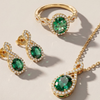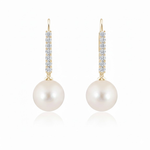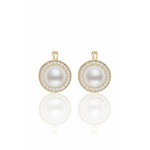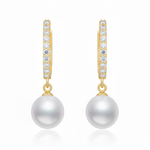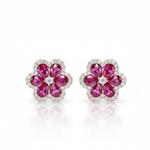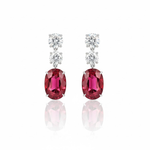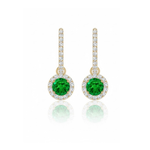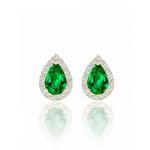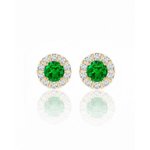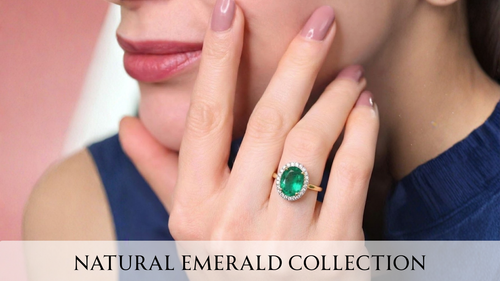
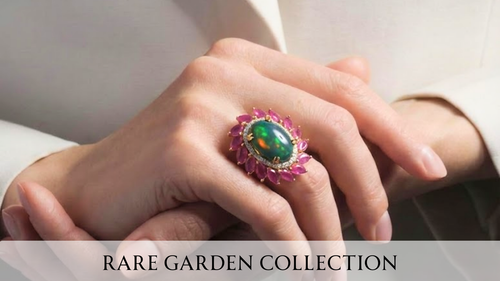
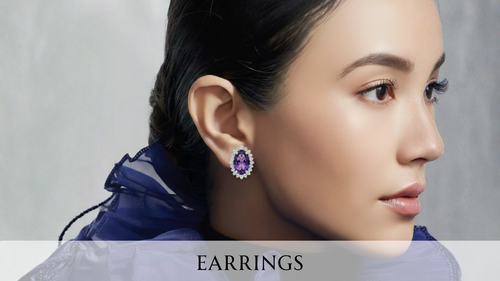
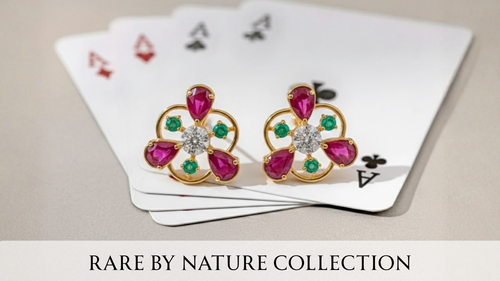
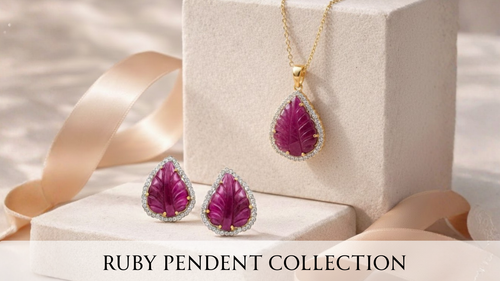
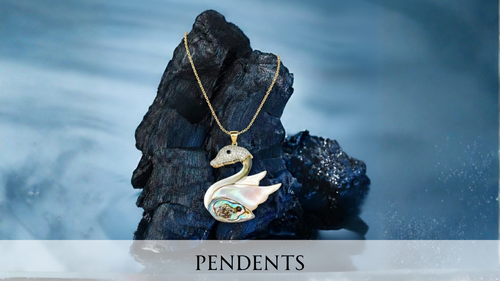
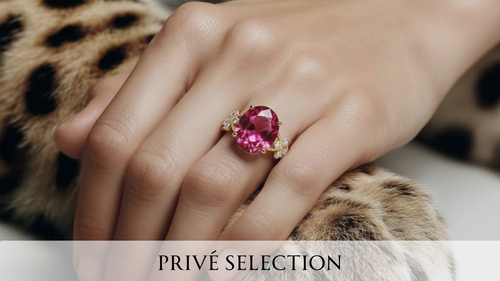
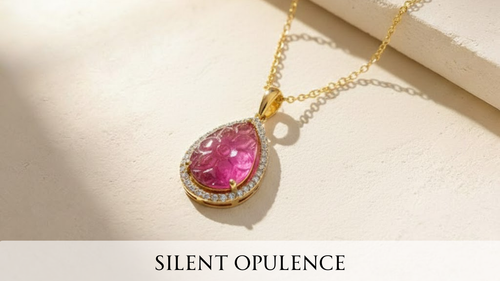


 The Rare Stone Collection
That's why at Zovina We said yes to Natural Gemstone

The Allure of Authenticity: Why Natural Gemstones are the Heart of Modern Luxury
In an era of mass production and synthetic alternatives, the quest for something truly unique has never been more relevant. When it comes to jewelry, a piece is more than just an accessory; it is a statement of identity, a legacy in the making, and a connection to the earth’s ancient history. This is why the shift toward natural gemstones is not just a trend—it is a return to authentic luxury.
The Soul of the Earth: What Makes Natural Gemstones Special?
A natural gemstone is a miracle of nature. Formed over millions of years under intense heat and pressure deep within the earth, every stone carries a unique "fingerprint." These inclusions, often referred to as nature’s birthmarks, ensure that no two stones are ever exactly alike.
When you choose a natural blue sapphire or a vibrant emerald, you aren't just buying a mineral; you are owning a piece of geological history. Unlike lab-grown stones which are created in weeks using a controlled recipe, natural stones possess a depth, fire, and character that synthetic versions simply cannot replicate.
Why Sophisticated Collectors Say "Yes" to Natural
The decision to choose natural over synthetic often comes down to three pillars: Value, Rarity, and Emotion.
-
Investment Value: Historically, high-quality natural gemstones have shown remarkable value retention. While lab-grown stones have a high supply and decreasing market price, the supply of earth-mined gemstones is finite. This rarity makes them a tangible asset for any investment portfolio.
-
The Power of Rarity: There is a certain prestige in knowing that your handcrafted gemstone ring features a stone that was discovered in a remote corner of the world, rather than a factory.
-
Emotional Resonance: Jewelry is often bought to celebrate life's biggest milestones—engagements, anniversaries, and births. A natural stone, having survived the test of time for eons, perfectly symbolizes an enduring, lifelong commitment.
Styling the Sapphire: A Masterclass in Luxury
As seen in the iconic blue sapphire halo ring, natural gemstones offer a versatility that transcends seasons. A deep blue sapphire set in white gold or platinum provides a "royal" aesthetic that works just as well with a sharp white blazer as it does with an evening gown.
Key Trends in Natural Gemstone Jewelry:
-
The Halo Setting: Surrounding a center stone with natural diamonds to amplify its brilliance and size.
-
Ethical Sourcing: Modern consumers are prioritizing stones that are mined responsibly, ensuring the beauty of the ring is matched by the integrity of its origin.
-
Vibrant Colors: Moving away from traditional diamonds, more people are opting for natural colored gemstones like rubies, sapphires, and tanzanite to express their personality.
How to Spot the Difference: Original vs. Fake
With the rise of "simulants" and lab-created stones, it is vital to know what you are buying. Here are a few secrets to ensuring authenticity:
-
The Inclusion Check: Most natural stones have tiny internal flaws. If a stone looks too perfect under a loupe, it might be synthetic.
-
Certification is Key: Always look for certificates from reputable laboratories (like GIA, IGI, or local trusted authorities) that specify the stone is "Natural" and mention any treatments.
-
The Temperature Test: Real gemstones often feel cold to the touch and take a moment to warm up, unlike plastic or glass simulants.
Conclusion: A Legacy of Beauty
Choosing a natural gemstone is an act of appreciation for the extraordinary. It’s about valuing the "perfectly imperfect" nature of the world. Whether it’s a gift for a loved one or a treat for yourself, a natural stone ensures that your jewelry remains as timeless as the earth it came from.
The Geological Masterpiece: A Journey of Billions of Years
To understand the value of a natural blue sapphire or a fine emerald, one must look back millions—sometimes billions—of years. Unlike lab-grown stones created in a factory over a few weeks, natural gemstones are formed under chaotic, high-pressure conditions deep within the Earth’s mantle.
-
Nature’s Fingerprints: Every natural stone contains "inclusions"—tiny internal characteristics that act as a biological signature. In the world of high-end jewelry, these aren't "flaws"; they are proof of origin. They tell us where the stone was born, whether in the mines of Kashmir, the valleys of Colombia, or the hills of Mogok.
-
The Energy of the Earth: Many cultures believe that gemstones carry the vibrational energy of the earth. Whether or not you subscribe to the mystical, there is an undeniable psychological weight to wearing something that has existed since before the dawn of humanity.
Why "Natural" is the Only Choice for Serious Investors
In recent years, the gemstone market has outperformed many traditional asset classes. If you are looking at jewelry as an investment-grade asset, natural stones are the only path forward.
-
Finite Supply vs. Infinite Production: The primary reason natural gemstones retain value is scarcity. Once a mine is exhausted, no more stones of that quality will ever exist. Conversely, lab-grown stones can be manufactured in unlimited quantities, causing their resale value to plummet over time.
-
The Resale Market: Luxury auction houses like Christie’s and Sotheby’s exclusively deal in natural stones. A natural unheated sapphire is a treasure that can be passed down through generations, often appreciating in value as the global supply of "top-gem" quality stones dwindles.
-
Authentication and Trust: With advanced technology, it is easier than ever to certify the authenticity of a stone. A GIA or IGI-certified natural gemstone provides a level of security and transparency that protects the buyer's capital.
Redefining Style: The Natural Gemstone in Modern Fashion
The image of a stunning sapphire halo ring set against a crisp white suit (as seen in recent luxury campaigns) perfectly illustrates the modern luxury aesthetic. It is a balance of power and grace.
1. The Power of Color
Diamonds were the standard for decades, but modern fashion icons are moving toward "Color." A deep blue, a fiery red, or a lush green provides a focal point for an outfit that a colorless stone simply cannot match. It signals a wearer who is confident, individualistic, and knowledgeable about fine materials.
2. Versatility in Design
Natural stones are increasingly being used in "Transitional Jewelry"—pieces that look just as appropriate in a boardroom as they do at a gala. Whether it is a cushion-cut sapphire pendant or a pair of octagon-cut emerald earrings, the natural brilliance of these stones adds an effortless glow to the wearer's skin tone.
Original vs. Fake: 7 Secrets to Protecting Your Purchase
As a buyer, navigating the world of luxury gemstones can be daunting. Here are the secrets to ensuring your "natural" stone is truly a gift from the earth:
-
The "Luster" Test: Natural stones have a "depth" of light. Synthetics often look "glassy" or overly perfect, lacking the complex internal reflections of a natural crystal.
-
Temperature Sensitivity: Real gemstones are excellent conductors of heat. If you touch a natural stone to your lip, it will feel ice-cold and stay cold for several seconds.
-
Search for "Silk": In sapphires and rubies, tiny needle-like inclusions called "silk" are a classic sign of natural origin.
-
Beware of "Too Good to Be True": If a 5-carat sapphire is priced like a 1-carat stone, it is almost certainly treated, filled, or lab-grown.
-
The Lighting Check: Always view a stone in natural daylight. Synthetic stones are often designed to look good under shop LED lights but lose their "soul" in the sun.
-
Insist on Origin Reports: For high-value stones, knowing the country of origin can change the price by 50% or more.
-
Check the Facets: Under a magnifying glass, the facet edges of a natural stone are sharp, while glass or "fake" stones often have rounded, molded edges.
The Commitment to Authenticity
Choosing a natural gemstone is a "yes" to authenticity in a world of filters and imitations. It is a commitment to quality that doesn't fade with time. When you wear a natural stone, you aren't just wearing jewelry; you are wearing a piece of the universe that was crafted specifically for you over eons of time.
Original vs. Fake: 7 Secrets to Protecting Your Purchase
As a buyer, navigating the world of luxury gemstones can be daunting. Here are the secrets to ensuring your "natural" stone is truly a gift from the earth:
-
The "Luster" Test: Natural stones have a "depth" of light. Synthetics often look "glassy" or overly perfect, lacking the complex internal reflections of a natural crystal.
-
Temperature Sensitivity: Real gemstones are excellent conductors of heat. If you touch a natural stone to your lip, it will feel ice-cold and stay cold for several seconds.
-
Search for "Silk": In sapphires and rubies, tiny needle-like inclusions called "silk" are a classic sign of natural origin.
-
Beware of "Too Good to Be True": If a 5-carat sapphire is priced like a 1-carat stone, it is almost certainly treated, filled, or lab-grown.
-
The Lighting Check: Always view a stone in natural daylight. Synthetic stones are often designed to look good under shop LED lights but lose their "soul" in the sun.
-
Insist on Origin Reports: For high-value stones, knowing the country of origin can change the price by 50% or more.
-
Check the Facets: Under a magnifying glass, the facet edges of a natural stone are sharp, while glass or "fake" stones often have rounded, molded edges.
The Commitment to Authenticity
Choosing a natural gemstone is a "yes" to authenticity in a world of filters and imitations. It is a commitment to quality that doesn't fade with time. When you wear a natural stone, you aren't just wearing jewelry; you are wearing a piece of the universe that was crafted specifically for you over eons of time.
Original vs. Fake: 7 Secrets to Protecting Your Purchase
As a buyer, navigating the world of luxury gemstones can be daunting. Here are the secrets to ensuring your "natural" stone is truly a gift from the earth:
-
The "Luster" Test: Natural stones have a "depth" of light. Synthetics often look "glassy" or overly perfect, lacking the complex internal reflections of a natural crystal.
-
Temperature Sensitivity: Real gemstones are excellent conductors of heat. If you touch a natural stone to your lip, it will feel ice-cold and stay cold for several seconds.
-
Search for "Silk": In sapphires and rubies, tiny needle-like inclusions called "silk" are a classic sign of natural origin.
-
Beware of "Too Good to Be True": If a 5-carat sapphire is priced like a 1-carat stone, it is almost certainly treated, filled, or lab-grown.
-
The Lighting Check: Always view a stone in natural daylight. Synthetic stones are often designed to look good under shop LED lights but lose their "soul" in the sun.
-
Insist on Origin Reports: For high-value stones, knowing the country of origin can change the price by 50% or more.
-
Check the Facets: Under a magnifying glass, the facet edges of a natural stone are sharp, while glass or "fake" stones often have rounded, molded edges.
The Commitment to Authenticity
Choosing a natural gemstone is a "yes" to authenticity in a world of filters and imitations. It is a commitment to quality that doesn't fade with time. When you wear a natural stone, you aren't just wearing jewelry; you are wearing a piece of the universe that was crafted specifically for you over eons of time.
At Zovina, we don’t just create jewelry—we craft timeless expressions of luxury.