


 The Rare Stone Collection
The Do's and Don't of Cleaning and Maintaining Your Gemstone Engagement Ring
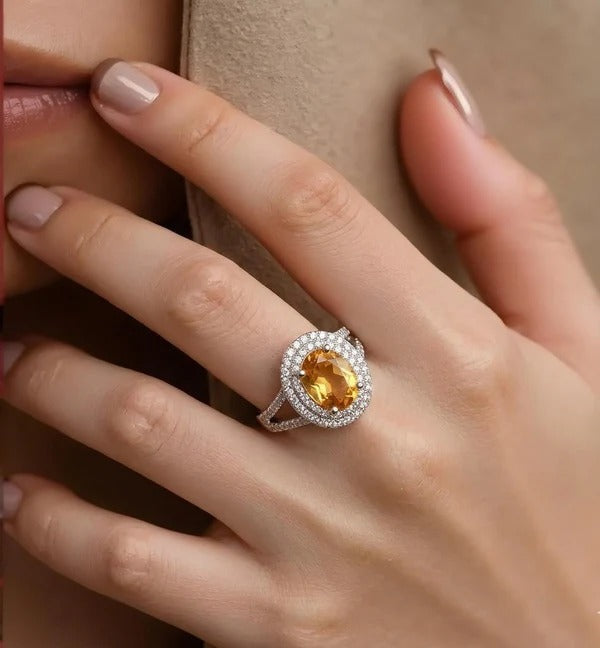
Whether you wear a classic cushion cut sapphire or a vintage-inspired oval emerald, a colored gemstone engagement ring is a stunning statement of individuality. However, unlike diamonds—which are famous for their unmatched hardness—gemstones have vastly different structural properties, mineral hardness scores, and vulnerabilities.
To keep your precious center stone sparkling like the day you first put it on, you need a specialized care routine. Here is the definitive list of the do's and don'ts of cleaning and maintaining your gemstone engagement ring.
Understanding Your Gemstone’s Hardness
Before diving into the cleaning steps, it is essential to understand the Mohs Hardness Scale. This scale rates minerals from 1 (softest, like talc) to 10 (hardest, diamond).
-
Sapphires and Rubies: Members of the corundum family, rating a 9 on the Mohs scale. They are exceptionally durable for daily wear but can still chip if struck against a hard surface.
-
Emeralds: A variety of beryl, rating between 7.5 and 8. While relatively hard, emeralds naturally contain internal fractures (called jardin) and are frequently treated with natural oils to enhance clarity, making them much more delicate.
-
Opals and Tanzanites: Rating lower on the scale (5.5 to 7), these require maximum caution and gentler handling.
The "Do’s" of Gemstone Ring Care
1. DO Clean Your Ring Safely at Home
Daily wear exposes your ring to hand lotions, skin oils, soap scum, and everyday dust, which quickly dulls the stone's brilliance. A simple, safe weekly cleaning routine works wonders:
-
The Warm Water Soak: Fill a small bowl with lukewarm water and add a few drops of mild, fragrance-free dish soap. Soak your ring for 15 to 20 minutes.
-
The Soft Brush Method: Use a new, ultra-soft bristled toothbrush to gently clean beneath the gemstone and around the prongs, where dirt accumulates.
-
The Proper Rinse & Dry: Rinse thoroughly in warm running water (make sure the sink drain is securely plugged!). Dry the ring completely with a clean, lint-free microfiber cloth.
2. DO Remove Your Ring During High-Impact Activities
Your engagement ring is precious, but it shouldn't go everywhere with you. To protect the setting and prevent structural damage to the stone, take your ring off before:
-
Working out or lifting weights at the gym.
-
Gardening, deep cleaning, or doing the dishes.
-
Applying makeup, hairspray, perfumes, or heavy body lotions (apply these first, let them dry, and then put your ring on).
3. DO Store Your Jewelry Correctly
Gemstones can scratch other jewelry, and harder stones (like diamonds) can easily scratch your sapphire or emerald. Always store your gemstone engagement ring in its original fabric-lined box, a separate soft pouch, or a dedicated compartment in a fabric jewelry organizer.
4. DO Get Regular Professional Inspections
At least once or twice a year, take your ring to a trusted professional jeweler. They will inspect the ring under a jeweler’s loupe to ensure the metal prongs are tight, the stone isn’t loose, and there are no microscopic fractures or chips forming along the facets.
The "Don'ts" of Gemstone Ring Care
1. DON’T Use Ultrasonic or Steam Cleaners
While ultrasonic cleaning machines are great for diamonds, they can be absolutely disastrous for colored gemstones.
-
The high-frequency vibrations can shatter delicate stones like tanzanite or opal.
-
For emeralds, ultrasonic waves and hot steam will strip away the natural oils used to treat the stone, leaving it cloudy, dull, and highly vulnerable to breaking.
2. DON’T Expose Your Ring to Harsh Chemicals
Never wear your gemstone ring while using household cleaning agents like bleach, acetone, ammonia, or chlorine. Chlorine in swimming pools and hot tubs can slowly erode the precious metals (like white gold or platinum) holding your stone in place and can permanently damage the surface polish of softer gems.
3. DON’T Use Harsh Abrasives
Never use toothpaste, baking soda, or powdered abrasive cleaners to scrub your jewelry. These substances are highly abrasive and will leave microscopic scratches on gold, platinum, and softer gemstones, permanently stripping away their mirror-like finish.
4. DON’T Ignore Changes in the Setting
If you hear a slight clicking sound when you tap your ring, or if a prong catches on your favorite knit sweater, stop wearing it immediately. A loose prong is the number one cause of lost accent stones and center gems. Keep it safe in a pouch until a professional jeweler can tighten the setting.
Gemstone Care Quick-Reference Guide
| Gemstone Type | Mohs Hardness | Best Cleaning Method | Major Risk Factors |
| Sapphire & Ruby | 9.0 | Warm soapy water, soft brush | Hard impacts, loose prongs |
| Emerald | 7.5 - 8.0 | Lukewarm water, micro-cloth wipe | Ultrasonic cleaners, hot steam, harsh detergents |
| Tanzanite & Aquamarine | 6.5 - 8.0 | Gentle soapy water soak | Extreme temperature shocks, hard drops |
| Opal | 5.5 - 6.5 | Damp soft cloth only | Dehydration, water immersion, scratches |
At Zovina, we don’t just create jewelry—we craft timeless expressions of luxury.