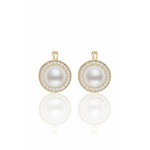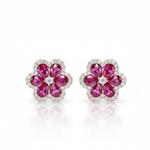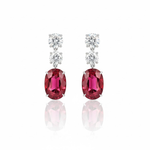


 The Rare Stone Collection
Why Celebrities Are Choosing Rare Gemstone Jewelry Over Diamonds

1. The "Rarity" Factor and Geological Scarcity
The primary driver is simple supply and demand. Natural white diamonds, while beautiful, are relatively abundant compared to high-grade colored stones.
-
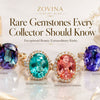
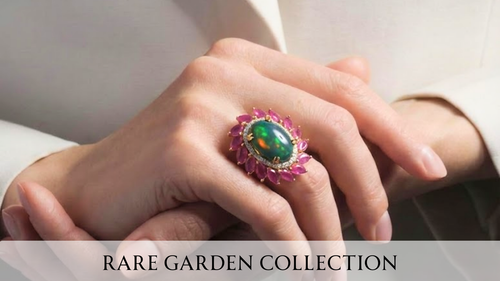
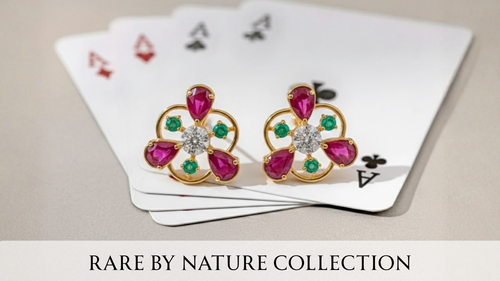
The "Big Three": High-quality Burmese Rubies, Colombian Emeralds, and Kashmir Sapphires are seeing record-breaking demand because their primary sources are nearly exhausted.
-
Phenomenal Stones: Celebrities are seeking "phenomenal" gems like Alexandrite, which changes color from green in daylight to plum-red under incandescent light. These stones are impossible to mass-produce, making them the ultimate status symbol of "owning the unattainable.
2. The Rise of Lab-Grown Diamonds
The jewelry market has split. As lab-grown diamonds become indistinguishable from natural ones and more accessible to the general public, celebrities are looking for ways to distinguish their collections.
Natural Character: Collectors are pivoting toward untreated, "No Heat" gemstones. A natural, unheated Spinel or Royal Blue Sapphire carries a "geological fingerprint" that cannot be replicated in a lab, providing a level of exclusivity that white diamonds currently struggle to match
3. Personalization and "Color Seasons"
-
Symbolism: Stones like Pink Morganite, Paraiba Tourmaline, and Tsavorite Garnet allow for a level of vibrant self-expression.
-
Modern Heirlooms: There is a growing trend of "Toi et Moi" (You and Me) rings, which pair two different gemstones—often a birthstone and a rare colored diamond or gem—to tell a specific romantic story.
-
In 2026, fashion is heavily influenced by personal branding. Celebrities are moving away from "off-the-shelf" luxury and toward bespoke pieces that align with their "color season" or personal history.
4. Investment Grade Assets ("Portable Wealth")
Rare gemstones are increasingly viewed as "hard assets" similar to gold but with higher growth potential.
-
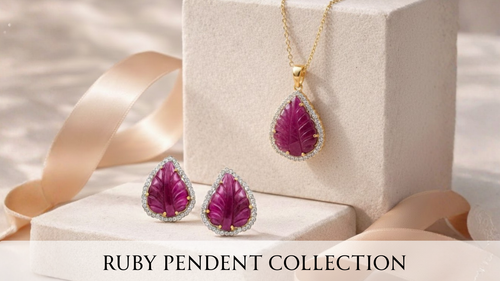
Price Appreciation: While the diamond market has faced some volatility, investment-grade Pigeon Blood Rubies and Muzo Green Emeralds have shown steady appreciation.
-
Transparency: With the 2026 GIA overhaul in origin services and blockchain "birth certificates," buyers have more confidence in the ethical sourcing and investment value of these stones than ever before.
5. Ethical and ESG Consciousness
The "Clean Gem" movement is a major factor for modern influencers. Many rare gemstones are sourced from smaller, artisanal mines or highly regulated mechanized mines (like those in Zambia for Emeralds). Celebrities often choose these stones to highlight their commitment to ethical traceability and supporting local mining communities over large-scale industrial diamond mining.
Popular "Rare" Alternatives for 2026