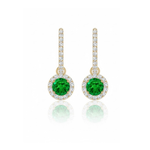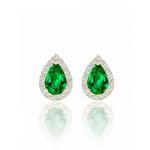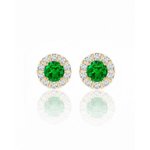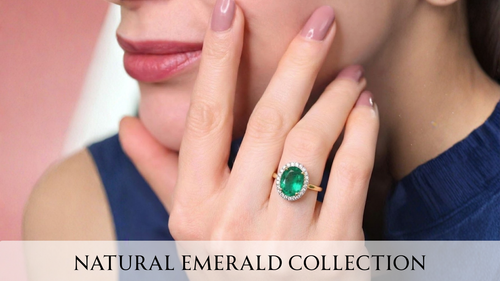


 The Rare Stone Collection
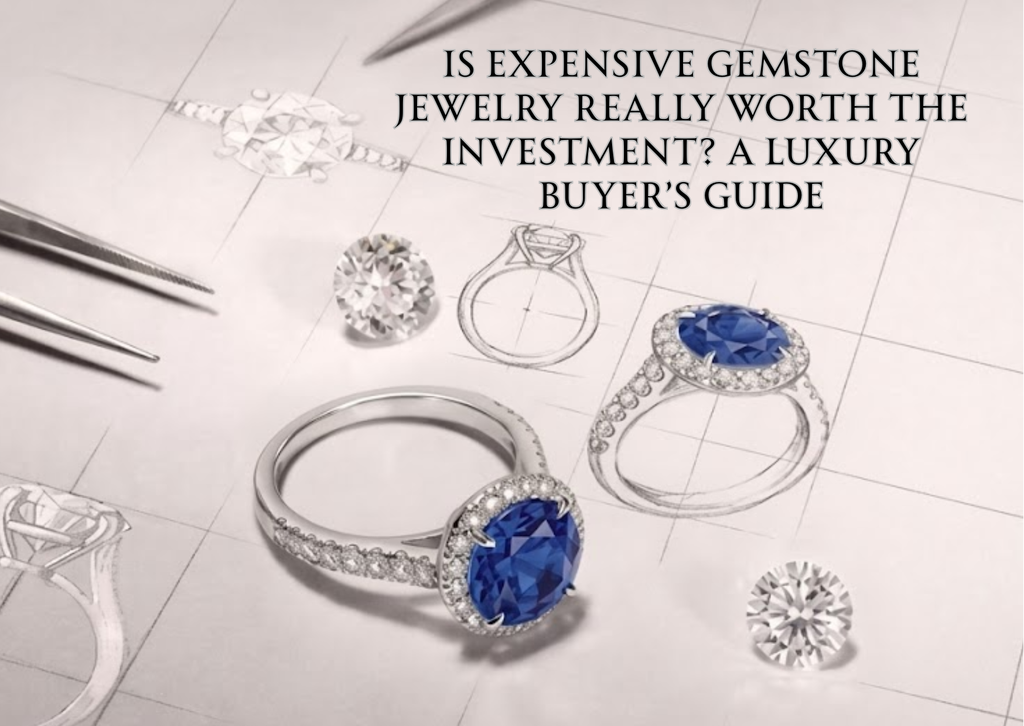
Is Expensive Gemstone Jewelry Really Worth the Investment? A Luxury Buyer’s Guide.
1. The "Big Three" vs. The New Classics
For an investment to be "worth it," it must have a history of value retention and a future of high demand. In 2026, the market is divided into two tiers of investment-grade stones.
The Heritage Tier (The Big Three)
-
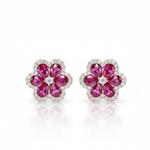
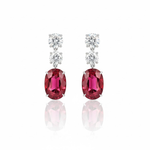
Ruby: Specifically "Pigeon Blood" rubies from Myanmar or Mozambique. Fine untreated rubies above 3 carats are currently among the rarest assets on Earth, outperforming almost every other gemstone in auction growth.
-
Royal Blue Sapphire: Demand for Kashmir and Burmese varieties continues to rise. In 2026, Yellow and Green Sapphires have also entered the investment conversation as "accessible luxury" with high appreciation potential.
The Modern Legends
-
Paraiba Tourmaline: With its neon-blue glow and dwindling supply from Brazil and Mozambique, this stone is the "Bitcoin of gemstones"—high risk, but astronomical returns for those who bought early.
- Alexandrite: Known for its "emerald by day, ruby by night" color change, its scarcity makes it a favorite for collectors who want something "unclonable.
2. The 2026 Investment Checklist: The "Four R's"
To ensure your purchase is an investment and not just a retail expense, you must verify the following:
-
Resale Potential: Unlike gold, which has a universal buyback price, gemstones require a "secondary market." High-end natural stones typically retain 30%–60% of their retail value in a quick sale, but can appreciate beyond 100% if held for 5–10 years and sold through the right auction house.
-
Refraction & Cut: 2026 trends favor Fancy Cuts—Ovals, Pears, and Marquise. A stone with a "90-degree" precision cut and a "vivid" saturation level will always find a buyer faster than a poorly proportioned one
3. Natural vs. Lab-Grown: The Resale Trap
The biggest mistake a luxury buyer can make in 2026 is confusing "Market Popularity" with "Investment Value."
- Rarity (The "Unheated" Factor): In 2026, the "Unheated" tag is the gold standard. A natural sapphire that has not been heat-treated can command a price 50% to 100% higher than a treated one of the same color.
- Report (Certification): An investment is only as good as its paperwork. Do not buy without a certificate from a top-tier lab like GJEPC, GIA, or GRS. In the 2026 market, "Provenance" (origin) is now explicitly listed and heavily weighted in pricing.
-
Lab-Grown Diamonds/Gems: While they look identical and are 60-80% cheaper, their resale value is plummeting as production technology makes them easier to create. Think of them as high-end tech (like a smartphone)—great to use, but worth very little once used.
-
Natural Gems: These are "Land." There is only so much of it, and they aren't making any more. This is where the long-term "wealth storage" happens.
4. Why "Mocha Mousse" and Earthy Tones Matter Right Now
If you are looking for a "trend-informed" investment, look at the 2026 palette. With Mocha Mousse being the color of the year, stones like Coffee Diamonds, Morganite, and Peach Sapphires are seeing a spike in demand.
-
Buyer's Tip: While these are trendy, always balance your portfolio with at least one "Classic Blue" or "Vivid Red" stone, as these never go out of style regardless of yearly fashion cycles.
5. The Verdict: Is it Worth It?
Yes, but only if you buy at the "Top Tier." Buying "commercial quality" jewelry from a mall brand is rarely a financial investment; you are paying for marketing and overhead. However, if you acquire a high-carat, untreated, certified natural gemstone, you are holding a portable, private, and historically resilient form of wealth.
The "Resale Reality" vs. Retail Luxury
The first mistake many luxury buyers make is confusing "Jewelry" with "Investment Stones."
-
Commercial Luxury: When you buy a diamond or gemstone ring from a famous mall-based brand, you are paying for the brand's marketing, the prime real estate of their store, and the designer's premium. These pieces often lose 30-50% of their value the moment you leave the boutique.
-
Investment-Grade Gems: These are stones characterized by three things: Rarity, Unheated Status, and Provenance. In 2026, a high-carat, untreated Colombian Emerald or a Burmese Ruby is considered "Hard Asset" luxury. These pieces don't just retain value; they historically outpace inflation.
The "Unheated" Gold Standard of 2026
In the current market, the word "Unheated" is the single most important factor in determining if a stone is "worth it."
-
The Treatment Gap: Roughly 95% of sapphires and rubies in the global market are heat-treated to improve color. While beautiful, they are "common."
-
The 5% Rule: Only about 5% of stones pulled from the earth have the perfect natural color and clarity to bypass the furnace. In 2026, an unheated stone can command a price 2x to 5x higher than its treated counterpart. For an investor, the "Unheated" certification from a lab like GJEPC or GIA is your insurance policy.
Emerging "Blue Chip" Stones: Beyond the Big Three
While Rubies, Sapphires, and Emeralds remain the "Blue Chip" stocks of the jewelry world, 2026 has seen the rise of "Growth Stones":
-
Paraiba Tourmaline: Known for its "Electric Neon" glow. Because the original Brazilian mines are nearly exhausted, prices for these stones have skyrocketed, making them a high-yield investment for those who can find "clean" specimens.
-
Spinel: Once the "underdog" of gemstones (often mistaken for rubies), fine Red and Jedi Spinels are now recognized by collectors for their incredible brilliance and lack of treatment.
-
Alexandrite: Due to its extreme rarity and "color-change" phenomenon, high-quality Alexandrite is essentially a "liquid asset" in the auction world—it sells almost instantly because there is so little of it available globally.
The "Mocha Mousse" Trend and Market Liquidity
As we navigate 2026, the fashion world's obsession with "Mocha Mousse" (the color of the year) has created a temporary surge in "Earth-Toned" luxury.
-
The Opportunity: Stones like Zultanite, Champagne Diamonds, and Imperial Topaz are currently at peak demand.
-
The Warning: While trendy stones are great for fashion, an "Investment Buyer" should always keep 70% of their portfolio in "Classic Colors" (Red, Blue, Green). Trends fade, but the global demand for a perfect Blue Sapphire is eternal.
-
At Zovina, we don’t just create jewelry—we craft timeless expressions of luxury.
-